
Expert Insights: Trends in Studio-Transmitter Links (STLs)
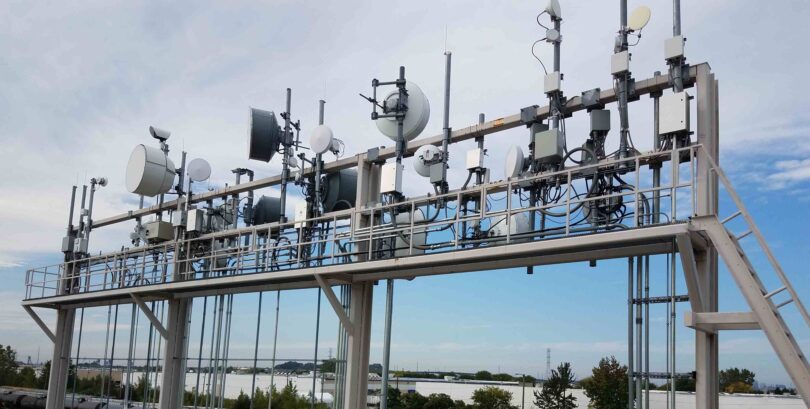
Broadcast veteran Cindy Hutter Cavell, director of the Spectrum Group at Capitol Airspace Group, recently shared her insights on evolving STL technologies. With nearly five decades in broadcasting and a NAB Television Engineering Achievement Award to her name, Cavell highlighted the growing adoption of IP-based delivery systems and transmitters with IP inputs, which offer broadcasters greater flexibility in signal transport.
She explained that while higher-frequency STL links like 11 GHz offer greater data capacity, they are more vulnerable to environmental factors such as rain and require clear line-of-sight paths. In contrast, lower-frequency links like 950 MHz are more resilient and can navigate minor obstructions, though they offer less bandwidth. Cavell also emphasized the importance of choosing between licensed and unlicensed microwave options, noting that while unlicensed systems are cost-effective, they pose interference risks—especially in crowded tower environments.
As cloud-based broadcasting grows, Cavell recommends backup solutions like local servers at transmitter sites to ensure continuity. For remote sites lacking traditional connectivity, she suggests exploring partnerships with WISPs or satellite internet, though the latter may be weather-sensitive. Her advice underscores the complexity of STL planning and the value of expert guidance in designing reliable, high-performance links.